How to Clean Exposed Aggregate Driveways Without Damage
Exposed aggregate driveways are a popular choice across Melbourne, from the bayside suburbs to the outer east and the growing estates in the north and west. The textured surface of exposed stones set in concrete is durable and slip resistant, but it also traps dirt, oil, moss and algae in the small gaps between the pebbles. Cleaning it the wrong way can loosen stones, strip the sealer and leave the surface looking worse than before. This guide explains how to clean an exposed aggregate driveway safely, what to avoid and when it makes sense to call a professional.
Understanding Exposed Aggregate Concrete
Exposed aggregate is made by removing the thin top layer of cement paste from freshly poured concrete, which reveals the stones underneath. Common aggregates in Melbourne include basalt, quartz, river pebbles and granite. The stones are held in place by the concrete matrix around them, and most driveways have a penetrating or film-forming sealer on top.
Knowing how your driveway is built helps you choose the right cleaning method. Two factors matter most:
- Age of the concrete: Driveways less than 12 months old are still curing and are more vulnerable to aggressive cleaning. Older surfaces may have weathered cement paste around the stones, which makes pebble loss more likely under high pressure.
- Sealer condition: A sealed driveway repels stains and is easier to clean. If water soaks in immediately rather than beading, the sealer has likely worn away and the surface needs resealing after cleaning.
Why Melbourne Driveways Get Dirty
Melbourne's changeable climate affects driveways in specific ways. Cool, damp winters encourage moss, lichen and algae, particularly on south-facing driveways and those shaded by trees or fences. Autumn leaf drop leads to tannin staining from deciduous trees such as elms, plane trees and oaks. Hot summers bake in oil and grease drips, and dust from the northerly winds settles into the textured surface.
Other common sources of staining include rust from metal furniture or pot stands, fertiliser, brake dust and tyre marks, and efflorescence, which appears as white powdery deposits when moisture draws salts out of the concrete.
What You Need Before You Start
Gather the right equipment before you begin. Most routine cleaning can be done with basic items:
- A stiff nylon-bristle broom or deck brush (avoid wire brushes, which can scratch stones and leave rust particles)
- A garden hose with a spray nozzle
- A pressure washer with an adjustable lance, ideally between 1,500 and 2,500 PSI for residential use
- A 25 to 40 degree fan nozzle
- A pH-neutral concrete cleaner or a mild detergent
- Safety glasses, gloves and non-slip footwear
- Absorbent material such as kitty litter or sawdust for fresh oil spills
Step-by-Step Cleaning Method
1. Clear and Sweep the Surface
Remove vehicles, bins, pots and any loose items. Sweep the entire driveway to remove leaves, grit and debris. Pay attention to the edges and expansion joints, where dirt builds up and weeds can take hold. Removing loose material first prevents it from being driven into the surface during washing.
2. Pre-Wet the Driveway
Wet the concrete thoroughly with the hose. A damp surface prevents cleaning solutions from soaking in too deeply and reduces the risk of uneven staining. Also wet any adjacent garden beds and lawn edges, and cover delicate plants if you plan to use a detergent.
3. Apply a Gentle Cleaning Solution
For general dirt and light algae, mix a pH-neutral concrete cleaner or a mild household detergent with water according to the label. Apply it with a watering can or low-pressure sprayer, working in sections of about two to three square metres. Let it sit for 10 to 15 minutes, but do not allow it to dry on the surface.
4. Scrub the Surface
Scrub with a stiff nylon broom, working in overlapping strokes. The bristles reach into the gaps between the stones, which is where most of the grime sits. Spend extra time on stained areas rather than increasing the pressure or using harsher chemicals straight away.
5. Rinse or Pressure Wash Carefully
Rinse thoroughly with clean water. If you are using a pressure washer, follow these rules to protect the aggregate:
- Start with the lowest pressure setting and increase gradually only if needed.
- Use a wide fan nozzle (25 to 40 degrees) and never a zero-degree or pencil-jet nozzle.
- Keep the nozzle at least 30 centimetres from the surface.
- Move in steady, overlapping passes and avoid pausing in one spot.
- Angle the spray slightly rather than blasting straight down, and avoid aiming directly at joints.
- Test a small, inconspicuous area first to check for stone loosening.
If you notice loose pebbles washing out, stop immediately and reduce the pressure. Excessive force is the most common cause of damage to exposed aggregate.
Treating Specific Stains
Moss, Lichen and Algae
These are common on shaded Melbourne driveways. Apply a purpose-made moss and algae remover, or a diluted solution of sodium percarbonate-based oxygen bleach, which is gentler on concrete and surrounding plants than chlorine bleach. Allow it to work for the time specified, scrub and rinse. Avoid using undiluted bleach, as it can discolour stones and harm lawns and garden beds. Regrowth is common in damp spots, so improving drainage and trimming back overhanging vegetation helps keep the problem away.
Oil and Grease
Act quickly on fresh spills by covering them with kitty litter or sawdust to absorb the oil, then sweep it up. For older stains, use a degreaser formulated for concrete and leave it to penetrate before scrubbing with a nylon brush. Stubborn, deep-set oil may need a poultice made from an absorbent powder and a solvent, left for 24 hours. Repeat treatments are often necessary for older stains.

Rust Stains
Use a rust remover designed for concrete, such as one based on oxalic or phosphoric acid, following the manufacturer's instructions. Test in a hidden spot first, as acids can etch the surface and dull the stones.

Tannin and Leaf Stains
Leaf stains usually respond to a detergent wash and scrubbing. Oxygen bleach is effective on persistent tannin marks. Sweep leaves regularly through autumn so they do not sit and stain the surface when wet.
Efflorescence
White salt deposits can often be brushed away dry with a stiff broom. If they remain, use a cleaner specifically made for efflorescence. Because efflorescence is caused by moisture moving through the concrete, check for drainage or leakage issues if it keeps returning.
What to Avoid
Several common mistakes can cause lasting damage to exposed aggregate:
- Using a high-pressure, narrow nozzle: This can dislodge stones and erode the cement paste around them.
- Wire brushes: They scratch aggregates and may leave metal fragments that rust.
- Strong acids without testing: Hydrochloric (muriatic) acid can etch concrete, discolour stones and damage sealers.
- Undiluted chlorine bleach: It can bleach the aggregate and harm nearby plants and soil.
- Letting cleaning products dry: This can cause streaks and patchy marks.
- Ignoring stormwater rules: Wash water carrying detergents or chemicals should not enter the stormwater system, which flows untreated to local creeks and Port Phillip Bay.
Environmental Considerations in Melbourne
Water and chemical runoff from driveways usually enters the stormwater drains, not the sewer. Melbourne Water and the EPA Victoria encourage households to keep pollutants out of drains. Where possible, choose biodegradable, phosphate-free products, direct wash water onto lawn or garden areas that can absorb it (when using mild detergent only), and avoid washing oil or chemical residues into the street. Water efficiency is also worth considering. Using a trigger nozzle and a pressure washer, which generally uses less water than a standard hose, helps reduce consumption, particularly during periods of water restrictions.
Resealing After Cleaning
Sealing is the best way to keep an exposed aggregate driveway clean for longer. A quality sealer fills the microscopic pores in the concrete, repels water and oil, protects against UV damage and can enhance the colour of the stones. Most driveways in Melbourne benefit from resealing every two to three years, depending on traffic, sun exposure and the type of sealer.
Before sealing, make sure the driveway is completely clean and dry. This usually means waiting at least 24 to 48 hours after washing, and longer in cold or humid weather. Choose a sealer made for exposed aggregate, and decide between a penetrating sealer for a natural look and slip resistance, or a film-forming acrylic sealer for a wet-look finish. Apply it in thin, even coats, and avoid applying it in direct midday sun or if rain is forecast. Sealer applied over a damp surface can turn white and cloudy.
Routine Maintenance Tips
Regular upkeep reduces the need for intensive cleaning:
- Sweep the driveway weekly or fortnightly to remove debris.
- Wipe up oil, fuel and other spills as soon as they happen.
- Rinse the surface with a hose every few weeks, especially in autumn and winter.
- Trim overhanging branches to improve sunlight and airflow.
- Check for cracks and loose stones, and repair them early to stop damage spreading.
- Do a full clean and inspect the sealer annually.
When to Call a Professional
DIY cleaning suits most routine jobs, but professional help is worth considering in certain situations. Large driveways, heavily stained or mossy surfaces, widespread pebble loss, old or failed sealers and persistent https://daltonfhpa535.unionquill.com/posts/travertine-vs-limestone-how-cleaning-needs-differ-outdoors stains that do not respond to home treatments are all good reasons to seek expert help. Professional concrete cleaners use commercial-grade equipment, such as surface cleaners that deliver consistent pressure across the surface, along with specialised products and proper wastewater management.
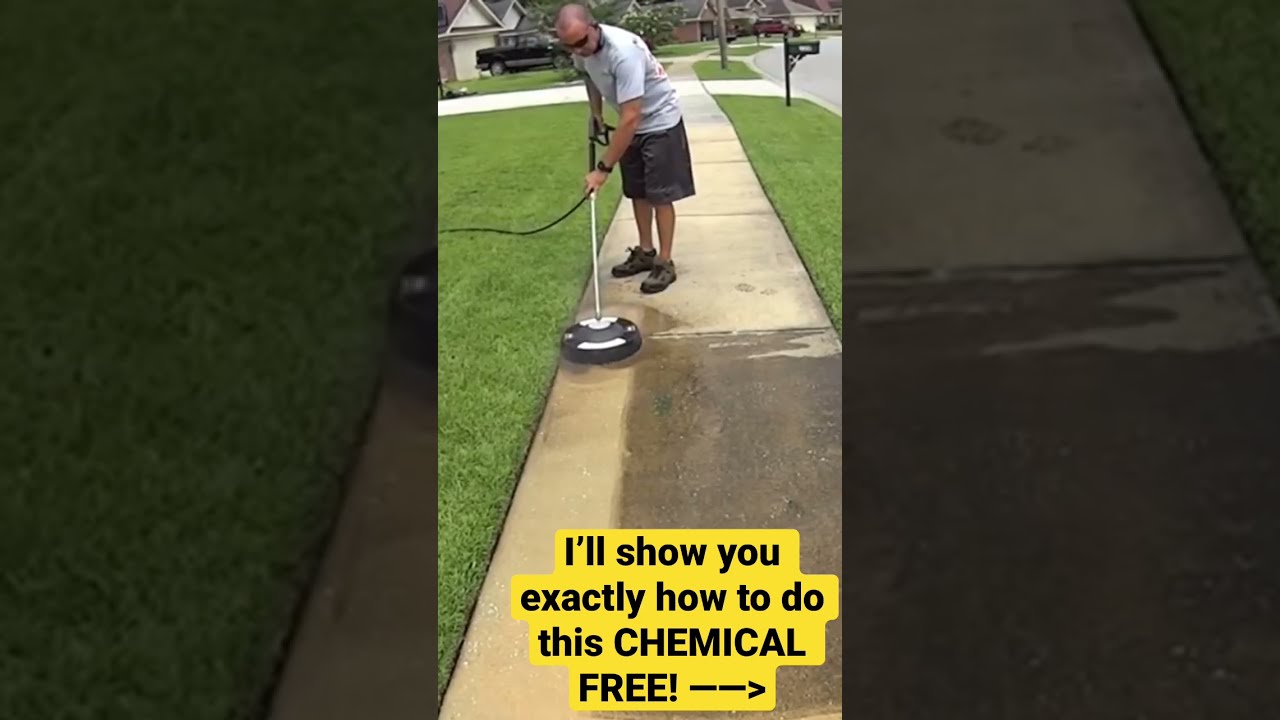
When choosing a Melbourne cleaning or sealing contractor, ask whether they have experience with exposed aggregate specifically, what pressure levels and nozzles they use, how they manage wash water, and what type of sealer they recommend. A reputable provider will be happy to explain their process and provide a written quote.
Final Thoughts
Cleaning an exposed aggregate driveway does not require harsh methods. The key is to start gently, use the right tools and products, and treat specific stains with targeted solutions. Gentle scrubbing with a nylon broom, controlled pressure washing and a suitable sealer will keep the driveway looking good and protect the surface for years. In Melbourne's varied climate, regular sweeping, prompt stain treatment and timely resealing go a long way towards preserving both the appearance and the lifespan of your driveway.
Melbourne Pressure Cleaning Pros
(03) 8007 3103